Exploring Elastic Couplings: A Comprehensive Guide to their Functionality
Introduction:
Elastic couplings are versatile mechanical devices widely used in numerous industries to connect rotating shafts while accommodating misalignments, dampening vibrations, and protecting sensitive components. In this article, we will delve into the world of elastic couplings, unraveling their functionality and highlighting their working principles.
Understanding Elastic Couplings:
Elastic couplings, also known as flexible couplings, are designed to transmit torque between two shafts while providing flexibility to compensate for misalignments and vibrations. These couplings consist of two flanges or hubs, each connected to a shaft, and an elastic element positioned between them. The elastic element, typically made of materials like rubber, polyurethane, or composites, plays a pivotal role in torque transmission and flexibility.
Working Principles:
Elastic couplings operate on the basis of the elastic properties of the material used in the elastic element. When torque is applied to one shaft, the elastic element undergoes compression or elongation, storing potential energy. This energy is released when misalignments occur or load conditions change, effectively absorbing shocks and vibrations.
Types of Elastic Couplings:
1. Jaw Couplings: Featuring interlocking jaws and an elastomeric spider insert, jaw couplings are simple to install and offer good torque transmission capabilities. They are commonly used in small to medium-sized applications.
2. Disc Couplings: Disc couplings consist of thin metal discs bolted together to form a flexible unit. They provide high torsional stiffness and can compensate for misalignments, making them suitable for precision applications.
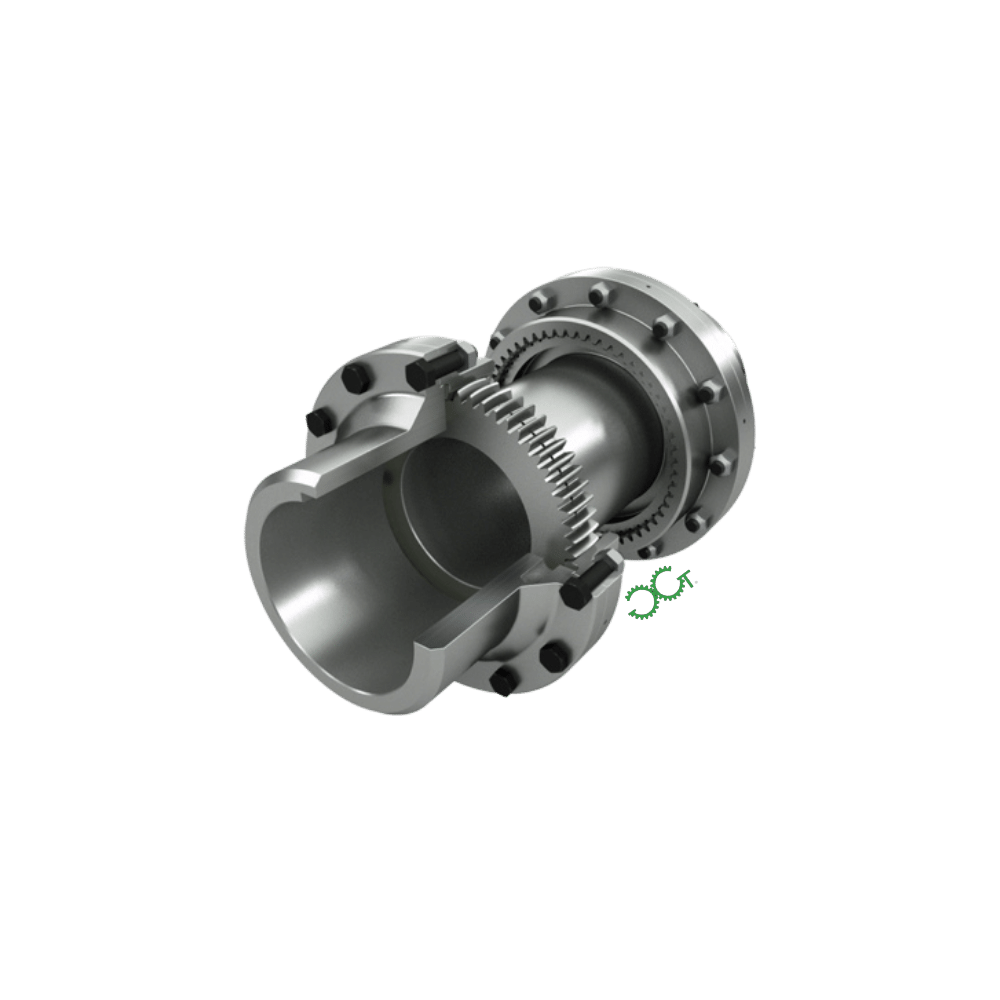
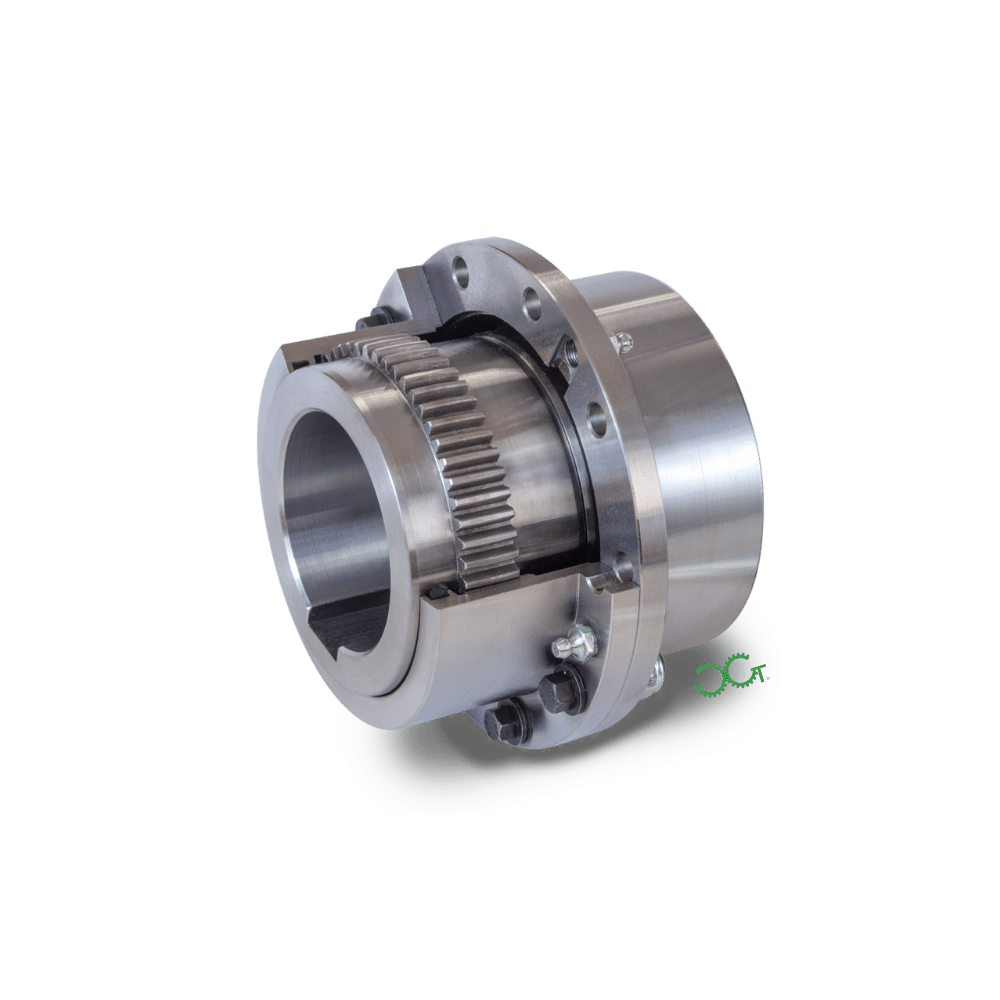
3. Gear Couplings: Gear couplings utilize interlocking external gear teeth to transmit torque. These couplings excel in heavy-duty applications due to their ability to handle high torque loads.
Advantages of Elastic Couplings:
1. Misalignment Compensation: Elastic couplings efficiently compensate for both angular and parallel misalignments, reducing stress on connected components and prolonging their lifespan.
2. Vibration Damping: Elastic couplings dampen vibrations caused by torque fluctuations and external factors, enhancing system performance and minimizing the risk of fatigue failure.
3. Shock Absorption: By absorbing sudden shocks and impacts, elastic couplings safeguard delicate components, ensuring smoother operation and a safer working environment.
4. Ease of Maintenance and Installation: Elastic couplings are easy to install and require minimal maintenance. Their user-friendly design and absence of lubrication points contribute to cost-effectiveness and hassle-free operation.
Conclusion:
Elastic couplings play a vital role in transmitting torque, compensating for misalignments, and dampening vibrations in mechanical systems. With their ability to absorb shocks and protect components, elastic couplings contribute to improved efficiency, reduced maintenance costs, and enhanced overall performance. Whether in pumps, compressors, or industrial machinery, elastic couplings are indispensable components that ensure reliable and smooth operation in various applications.